

Which is Better to Protect Your Home?
Topics in this Article:
In a house fire, every second matters. That is why interconnection is a key requirement under Queensland smoke alarm legislation.
When is the last time you checked your smoke alarms?
Most people assume that if their smoke alarm beeps during a test, it’s doing its job. But there’s one important detail many Queensland homeowners don’t realise: not all smoke alarms offer the same level of protection.
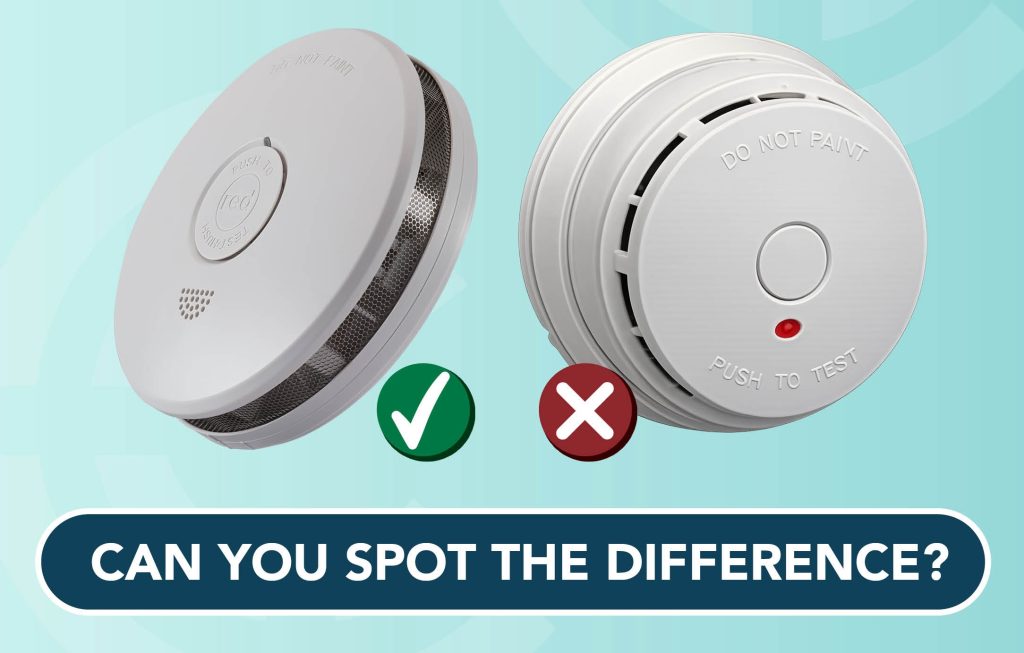
While photoelectric and ionisation smoke alarms may look almost identical, they work very differently – and knowing which type is installed in your home could make all the difference in a fire.
House fires can fully develop in 3 minutes.
Photoelectric Smoke Alarms
These fires can fill a home with toxic smoke long before flames are visible, making early detection critical.
- Detect dangerous smouldering fires earlier.
- Provide more time for everyone to escape safely.
- Produce fewer nuisance alarms from cooking compared to ionisation alarms.
- Why Do Interconnected Smoke Alarms Matter?
- Meet current Queensland smoke alarm legislation when installed correctly.
Ionisation Smoke Alarms
Ionisation smoke alarms contain a small amount of radioactive material that detects changes in the air caused by fast-flaming fires.
While they can respond quickly to certain types of fires, they are generally less effective at detecting slow, smoky fires, which are responsible for many residential fire fatalities.
They are also more prone to false alarms from cooking, which can lead homeowners to disable or remove the alarm altogether. By the end of this year these alarms must be replaced with photoelectric alarms to meet QLD legislation.
How Do I Know Which Smoke Alarm Type I Have?
Queensland’s 2027 Smoke Alarm Requirements
Having a photoelectric smoke alarm is only part of the requirement.
By 1 January 2027, every Queensland home must have:
- Photoelectric smoke alarms that comply with Australian Standards.
- Interconnected alarms, so when one activates, they all sound.
- Smoke alarms installed in every bedroom.
- Smoke alarms in hallways connecting bedrooms
- Smoke alarms on every level of the home.
- Additional alarms where required to meet current legislation.
These laws have been introduced to improve early warning throughout the home, giving families valuable extra time to escape during a fire.
Light Beats Heat.
Why Do Interconnected Smoke Alarms Matter?
Imagine a fire starts in the kitchen while you’re asleep upstairs.
With interconnected smoke alarms, every alarm in the home activates immediately, alerting everyone at the same time, no matter where the fire begins.
That early warning can save precious minutes when every second counts.
Let Coast Smoke Alarms Take the Guesswork Out
Checking compliance can be confusing, especially if you’re unsure what type of alarms you have or whether they’re installed correctly.
At Coast Smoke Alarms, we make it easy.
Our experienced team will:
- Inspect your existing smoke alarms.
- Identify whether they're photoelectric or ionisation.
- Check your home against current Queensland legislation.
- Recommend any upgrades required.
- Install compliant, interconnected photoelectric smoke alarms if needed.
We help homeowners across the Sunshine Coast stay compliant while providing greater protection for what matters most.